|
Bible Study vs. Small Group: What’s the Difference and Why Does It Matter at The Crossings?
You’ve probably heard both terms tossed around a lot: “Bible study” and “small group.” To some folks, they sound almost interchangeable. But here at The Crossings Community Church, there’s a very real, and very intentional, difference between the two. The distinctions don’t just affect logistics or advertising; they shape how people connect, how discipleship happens, and how our church remains healthy and accountable as it grows.
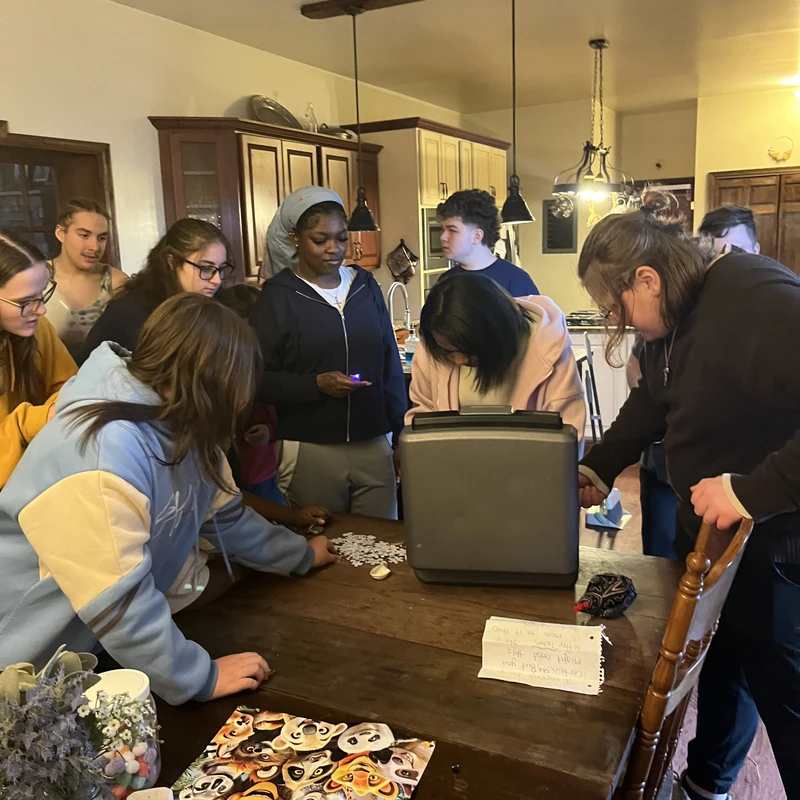
Let’s start with Bible Studies. Anyone can gather a handful of friends and start reading through the Gospels or Pauline letters together. You don’t need to get permission from the elders, you don’t have to submit a plan, and you certainly aren’t expected to check in with anyone afterward.
Bible studies can happen in your living room, a coffee shop, or over Zoom. They can be for men, women, students, or mixed ages. Most importantly, they’re not official ministries of The Crossings. That means you won’t find them listed on our website or in the church’s app, though if you want to share about your group on social media, go for it. The organization, leadership, and (yes) the finances are all up to the group itself.
Bible studies are totally self-guided. There’s no required curriculum or reporting, groups pick what they want to study and shape the direction themselves. Maybe one week you do a verse-by-verse deep dive into Romans, and the next you talk about a Christian book or a pressing cultural issue through a biblical lens. The autonomy is a plus for folks who crave flexibility. Think of Bible study as grassroots, organic, hungry for the Word, and open to anyone’s leadership.
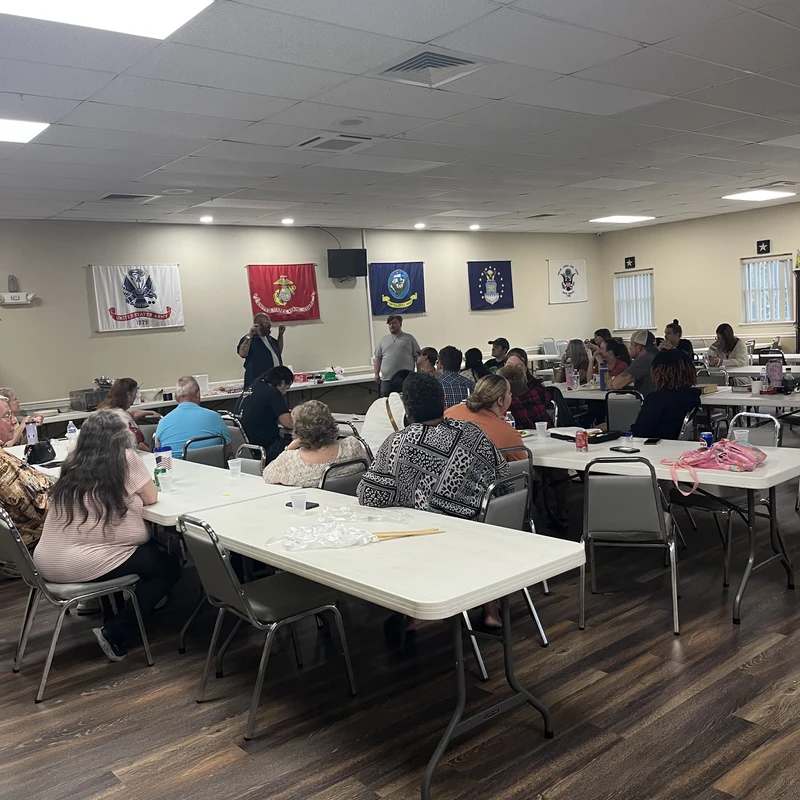
Now, let’s talk Small Groups, something entirely different in the life of The Crossings. Unlike a Bible study, a small group is a recognized, church-approved ministry. If you want to start a small group, you have to be a member in good standing. That means you’re publicly committed, walking in step with our doctrines, and you have the trust of fellow believers.
Starting a small group isn’t a solo project, you’ll need permission from our elders and leaders. This is on purpose. Healthy church family requires unity, trust, and accountability, especially when spiritual care and church reputation are on the line.
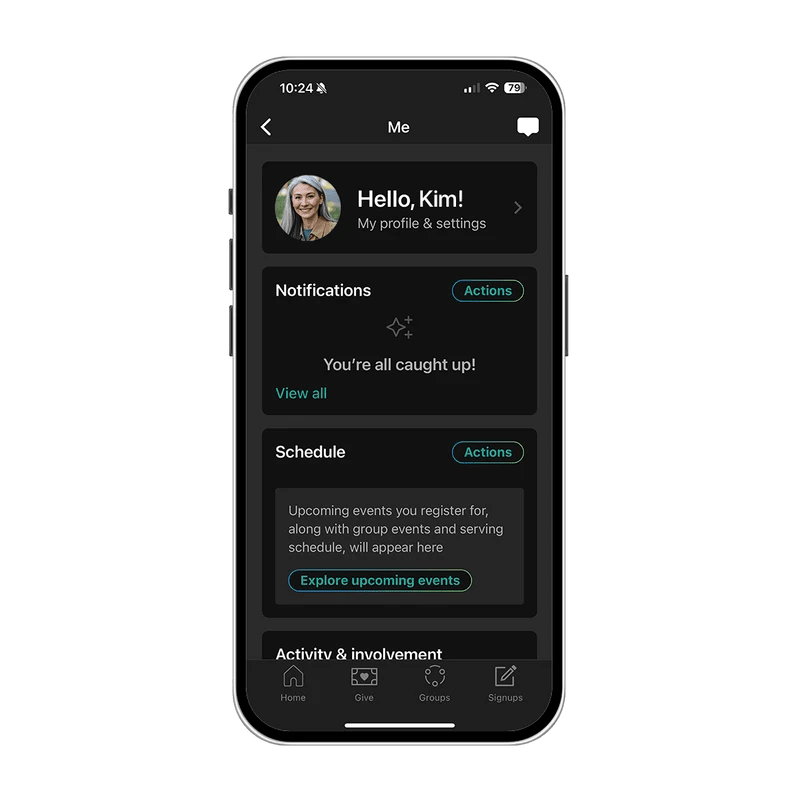
Small groups aren’t hidden or “off the books”; they’re listed officially on our website, in the Church Center app, and in all official church communications. That visibility means people know where to go if they’re looking for real community and consistent discipleship. If your group needs help, curriculum, resources, even money for snacks or service projects, you’re eligible to seek support from the church budget. Small groups don’t act alone. They take guidance from the elders, stay on mission with the whole church, and align with our vision for reaching and discipling Brunswick.
Here’s where things get particularly focused: starting in 2026, every small group will take attendance (yes, we’re getting organized!) through the Church Center app. This isn’t about legalism or micromanaging; it’s about making sure no one falls through the cracks and every person in our church is known, cared for, and growing. Small groups also report to and meet regularly with the Small Group Coordinator, so there’s ongoing coaching, troubleshooting, and spiritual encouragement.
But it doesn’t stop with just teaching and care. Starting in 2026, every small group will step out together to serve, coordinating at least two community service projects per year. Why? Because faith has to move beyond weekly meetings; it’s got to bless our neighbors and reveal Jesus in tangible ways.
So why two tracks? Because we as a church value both deep, informal study and coordinated, accountable discipleship. You can and absolutely should gather with friends to study Scripture whenever and however you can. But when you’re ready to go deeper, to build relationships that last, get supported by church leadership, and make a practical impact in our community, small groups are the place for you.
No matter where you start, don’t settle for isolation. Jump into a study, step up into a small group, and watch what God does as you grow, not just in your knowledge, but in your walk, your friendships, and your mission.

Pastor Justin |