The Importance of Forgiveness (Because God First Forgave Us)
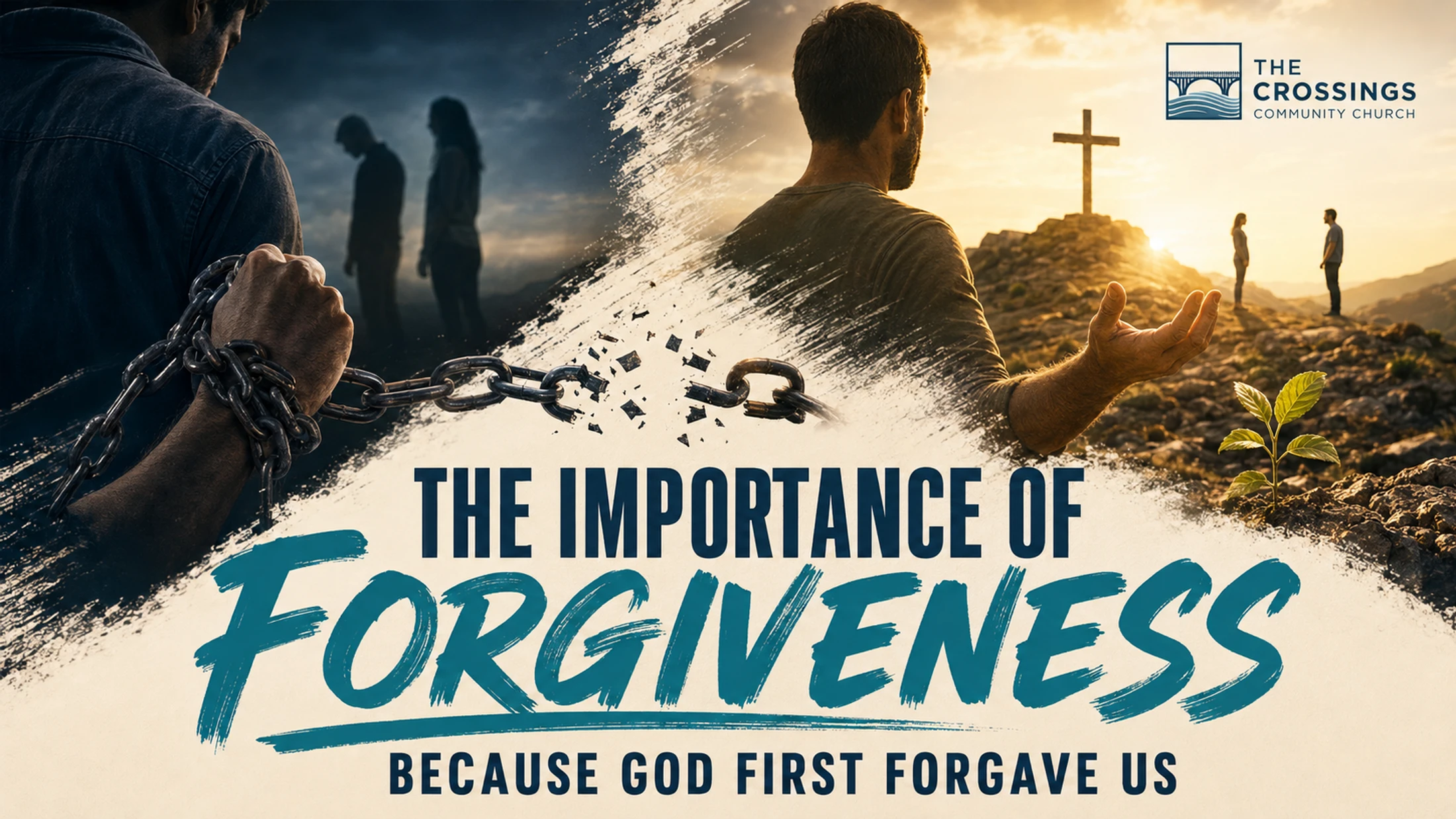
Forgiveness is at the heart of the Christian gospel. Without forgiveness, we have no relationship with God, our entire hope is built on the truth that God, through Christ, has forgiven our sins. Ephesians 4:32 reminds us, "Be kind to one another, tenderhearted, forgiving one another, as God in Christ forgave you." (ESV)
The Setup: Forgiven, So We Forgive
But forgiveness is more than a principle; it's a practice. To forgive means to let go of resentment or the desire to get even with someone who's wronged us. For many, this can be incredibly hard. Some wounds run deep, and the pain is real. Yet scripture makes it clear: Christians are called to forgive not because people "deserve" it, but because we ourselves have been recipients of undeserved mercy.
When Jesus taught His disciples to pray, He included these words: "Forgive us our debts, as we also have forgiven our debtors" (Matthew 6:12, ESV). This means we are to forgive as God forgives, freely, completely, unconditionally.
Now, "forgiveness" doesn't always mean instant trust or forgetting what happened. Sometimes it's a process, requiring prayer, support, and time. But forgiveness always begins with a decision to release the offender to God's justice and mercy, not our own.
Why is forgiving others so central? Because unforgiveness enslaves us. Bitterness can poison the soul, break relationships, and even impact our health. Hebrews 12:15 warns us, "See to it that no one fails to obtain the grace of God; that no 'root of bitterness' springs up and causes trouble." Forgiving doesn't mean excusing sin or pretending nothing happened. It means recognizing the depth of our own need for grace and being willing to extend it to others.
Jesus went even further, commanding us to love our enemies and pray for those who persecute us (Matthew 5:44). This was radical in His day and still challenges us today. The cross of Christ is the ultimate example.
While nailed to the cross, Jesus said, "Father, forgive them, for they know not what they do" (Luke 23:34). If our Savior could forgive in the greatest moment of injustice, surely He can empower us to forgive even the deepest wounds.
"But what if I don't feel like forgiving?" That's a real struggle. Forgiveness often starts as an act of obedience and moves gradually into the feelings over time. Take your hurt honestly to God, and ask Him for the strength to choose forgiveness.
Pray for the person, even if you can't trust them right now. Over time, God is able to change even the hardest hearts, beginning with our own.
Choosing to Forgive
Let's be a church that forgives as we have been forgiven: thoroughly, persistently, and graciously. As we do, we give the watching world a glimpse of the gospel in action. Forgiveness isn't easy, but it is freeing, and it begins with remembering how much God has already forgiven us.